
Most advice about happiness gets one thing backward. It tells you to feel better first, as if a steady mood should arrive before the habits, boundaries, and self-talk that make steadiness possible. In real life, finding happiness in yourself is less about chasing cheerfulness and more about building a relationship with yourself that can hold stress, disappointment, and ordinary uncertainty.
That shift matters because self-kindness isn't the same as pretending everything is fine. A 2025 systematic review of 21 randomized controlled trials found that online self-compassion interventions improved self-compassion, while effects on hedonic well-being were mixed, which means self-kindness works better as a response to distress than as a promise of constant good mood (review summary). If you want a durable version of happiness, start there.
Redefining What It Means to Be Happy
The biggest trap in self-help is the idea that a happy person is someone who stays upbeat no matter what. That belief creates pressure, and pressure usually breeds performance, not peace. People start repeating affirmations they don't believe, then wonder why they feel fake or even more discouraged.
Real internal happiness looks quieter than that. It includes emotional flexibility, self-compassion, and the ability to recover without turning every setback into a verdict on your worth. The 2025 review above is useful precisely because it separates self-kindness from a guaranteed mood lift. That's a healthier standard.
What to stop expecting from yourself
- Stop expecting permanent positivity. Sadness, frustration, and grief are not proof that your inner work is failing.
- Stop using affirmations as a test. If the words feel hollow, the problem may be the timing, not your character.
- Stop measuring your progress by cheerfulness. A calmer response to difficulty is often a better sign of growth.
Practical rule: if a practice makes you feel more fraudulent, scale it down and make it more honest.
A private, respectful approach matters here. Even the way you store your reflections, reminders, and personal notes should feel safe, which is why some people prefer tools with clear boundaries and privacy policies such as Luno's privacy information. The point isn't to build a perfect inner monologue. It's to build one that doesn't attack you every time life gets messy.
Aligning Daily Actions With Core Values
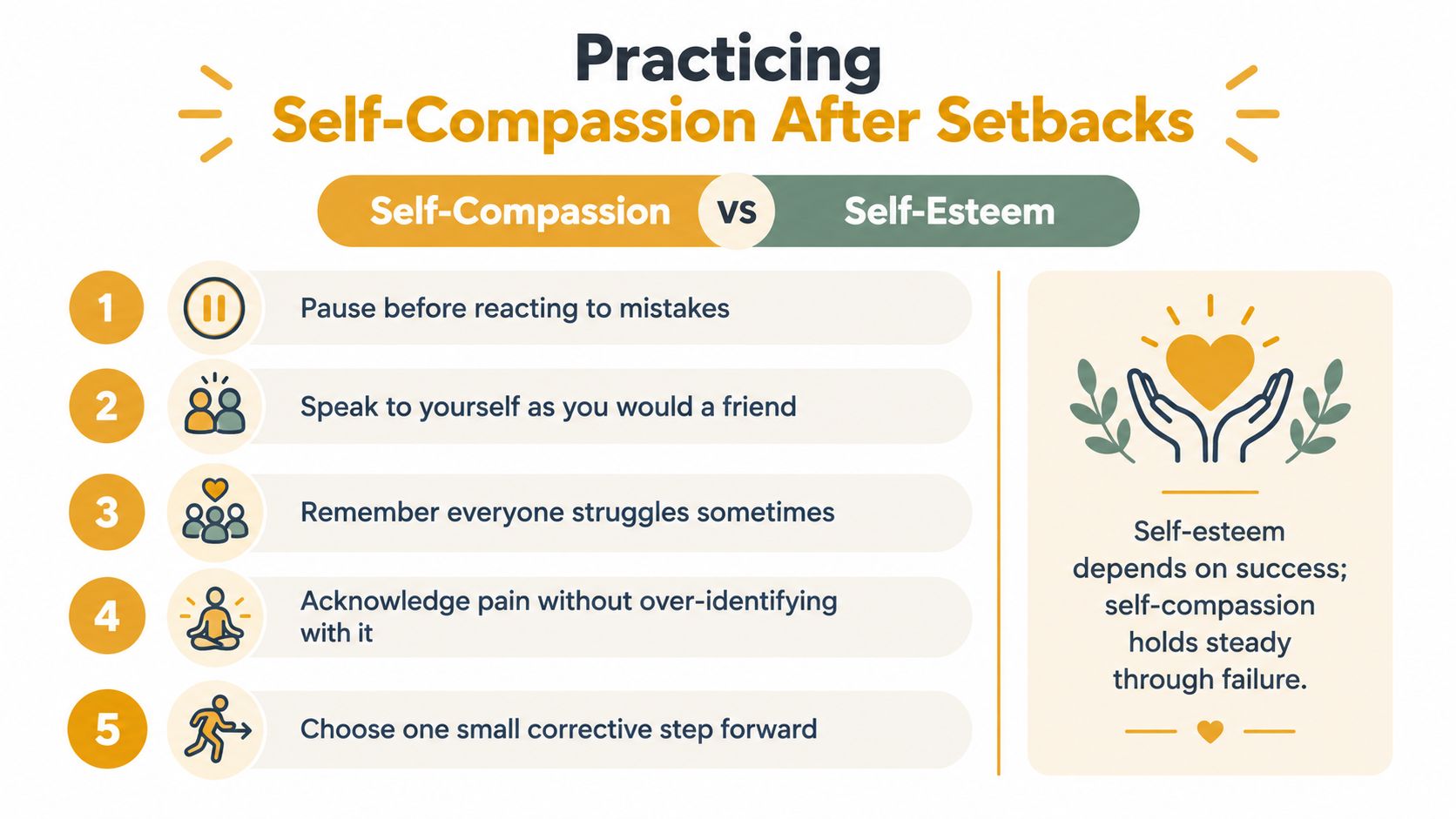
Happiness grows faster when it's attached to action, not just reflection. A useful pattern is simple: name one value, do one small action that expresses it, then notice what that action changes in your mood, energy, or sense of meaning. That kind of routine gives your day a spine.
Multi-component positive-psychology interventions, which combine activities like strengths use and meaningful goal pursuit, have produced small but lasting improvements in subjective and psychological well-being, with some benefits still detectable three to six months later (review). That doesn't mean you need a complicated system. It means repeatable, values-based actions matter more than grand intentions.
A simple daily protocol
- Write one value or strength. Pick something concrete, like steadiness, kindness, honesty, or discipline.
- Choose one action under 20 minutes. Send the email, tidy the desk, walk outside, or make the appointment.
- Record what happened. Note the feeling, the obstacle, and whether the action felt meaningful.
This works best as a 10 to 15 minute practice, not a performance. Review it weekly and keep only the habits that still feel feasible and personally significant. If the routine starts to feel like punishment, simplify it until it feels human again.
Meaning often shows up after action, not before it.
For a product example, Luno: Self Care uses daily check-ins and next-day planning to turn reflection into a more structured routine. That kind of scaffolding can help when motivation is inconsistent, as long as the tool supports the practice instead of becoming the practice.
Practicing Self-Compassion After Setbacks
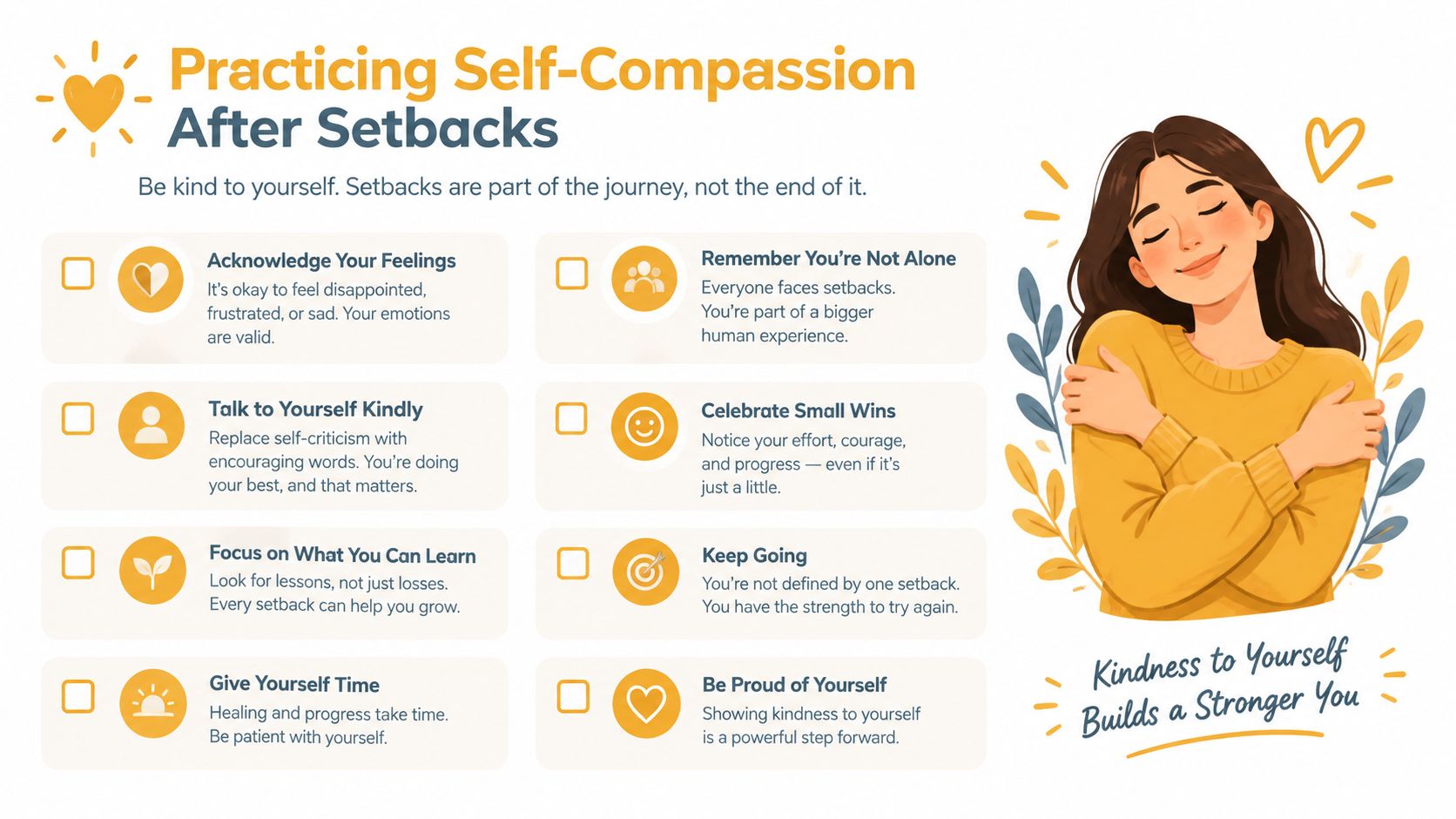
How you respond to mistakes shapes your inner life more than you might realize. Self-compassion isn't self-excuse, and it isn't sentimental softness. It's a disciplined way of staying honest without becoming cruel.
A strong self-compassion response has three parts. First, name the difficulty accurately. Second, remember that imperfection is part of being human. Third, choose one supportive next step. That structure keeps accountability intact while removing the unnecessary shame that usually makes recovery slower.
What compassionate accountability sounds like
A useful script is plain and specific. “I missed the deadline. That's a real problem. I can send the update now and block time tomorrow to finish the remaining part.”
That's very different from global self-attack, like “I always ruin everything.” The second version feels intense, but it doesn't help you act. It freezes attention on identity, while the first version keeps attention on behavior.
The evidence supports this distinction. A meta-analysis of 79 samples representing 16,416 participants found a moderate positive association between self-compassion and well-being, with an effect size of 0.47, and the association remained statistically significant even after accounting for overlap with self-esteem (meta-analysis). That matters because self-worth based on success tends to wobble when life gets difficult, while self-compassion stays usable when the outcome isn't good.
Balancing Solitude With Social Connection
Solitude can be restorative, but loneliness is different. The trouble starts when people treat any time alone as proof that they should just work harder on themselves. Sometimes the issue isn't insufficient self-love. Sometimes it's just that a person needs more reliable human contact.
The World Health Organization estimates that approximately 1 in 6 people globally experience loneliness, and that loneliness is associated with roughly 871,000 deaths annually (WHO). That number is a reminder that internal work and external support are not rivals. They're partners.
How to tell solitude from isolation
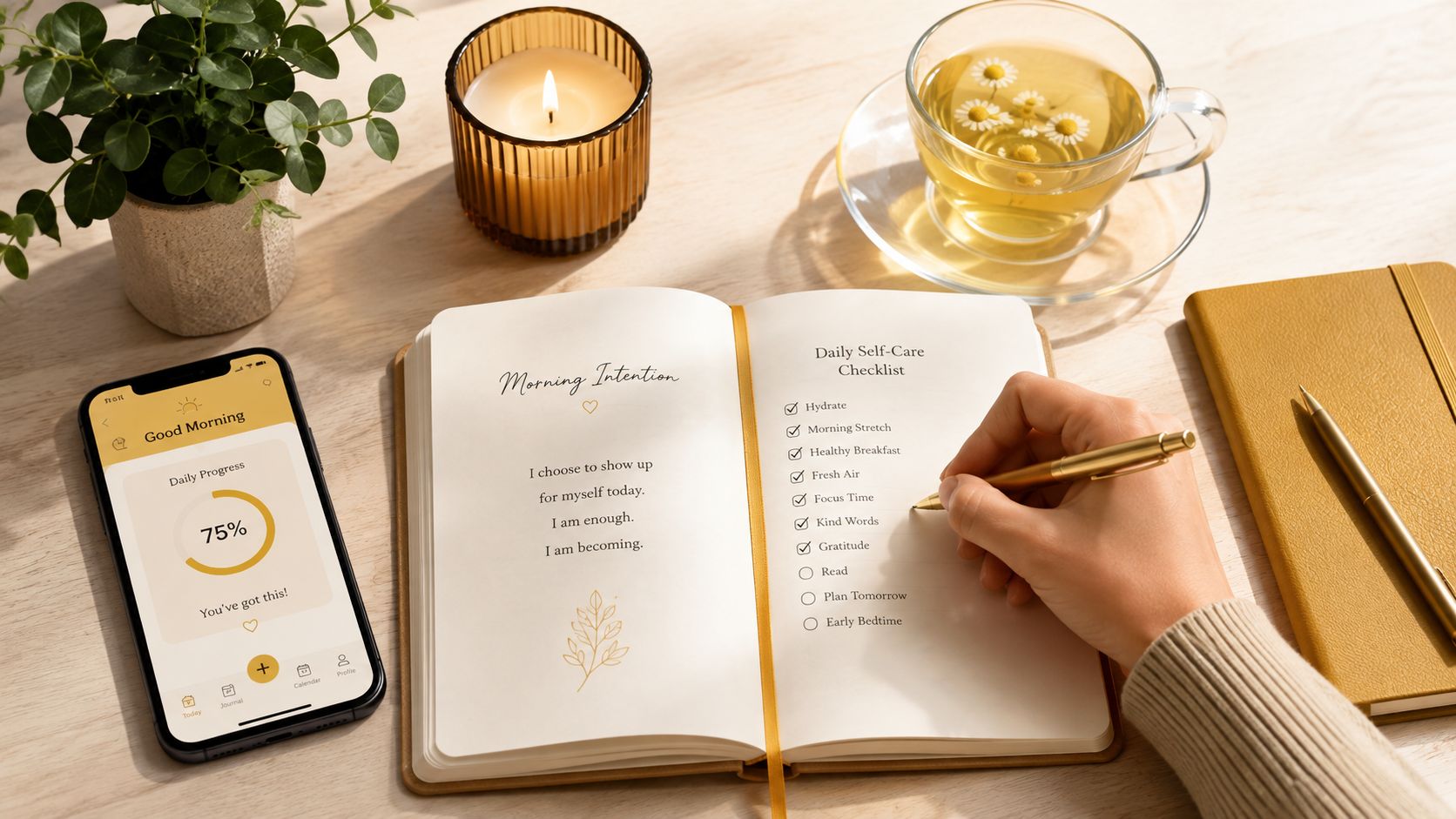
- Restorative solitude feels calmer afterward. You return to your day with more patience or clarity.
- Isolation feels narrowing. Your thoughts loop, your mood drops, and contact starts to feel harder.
- Healthy alone time still leaves room for connection. You're not hiding from people, you're recharging.
If your alone time is draining you, treat that as data, not failure. Repair one safe relationship, find one low-pressure recurring setting, and notice whether contact improves your mood over a few weeks. That's often more useful than trying to think your way out of loneliness.
For safety guidance around what supportive self-care can and can't do, Luno's safety information is worth reading. The healthiest version of inner work knows when it needs outside care.
Building Consistency With Guided Self-Care
People trying to build a self-care habit usually do not fail because they lack insight. They struggle to keep the habit alive when they are tired, discouraged, or busy. Structure closes that gap.
The World Health Organization says psychological self-help approaches are recommended for conditions like depression and anxiety, and that structured digital interventions can teach tools and techniques people keep using over time (WHO self-help guidance). That is a useful standard for guided self-care. It should support repetition, not dependency.
What structured support should do
It should make the next step easier to see. It should remember what has helped before. It should also help you notice patterns in mood, sleep, stress, and follow-through without turning every rough day into a crisis.
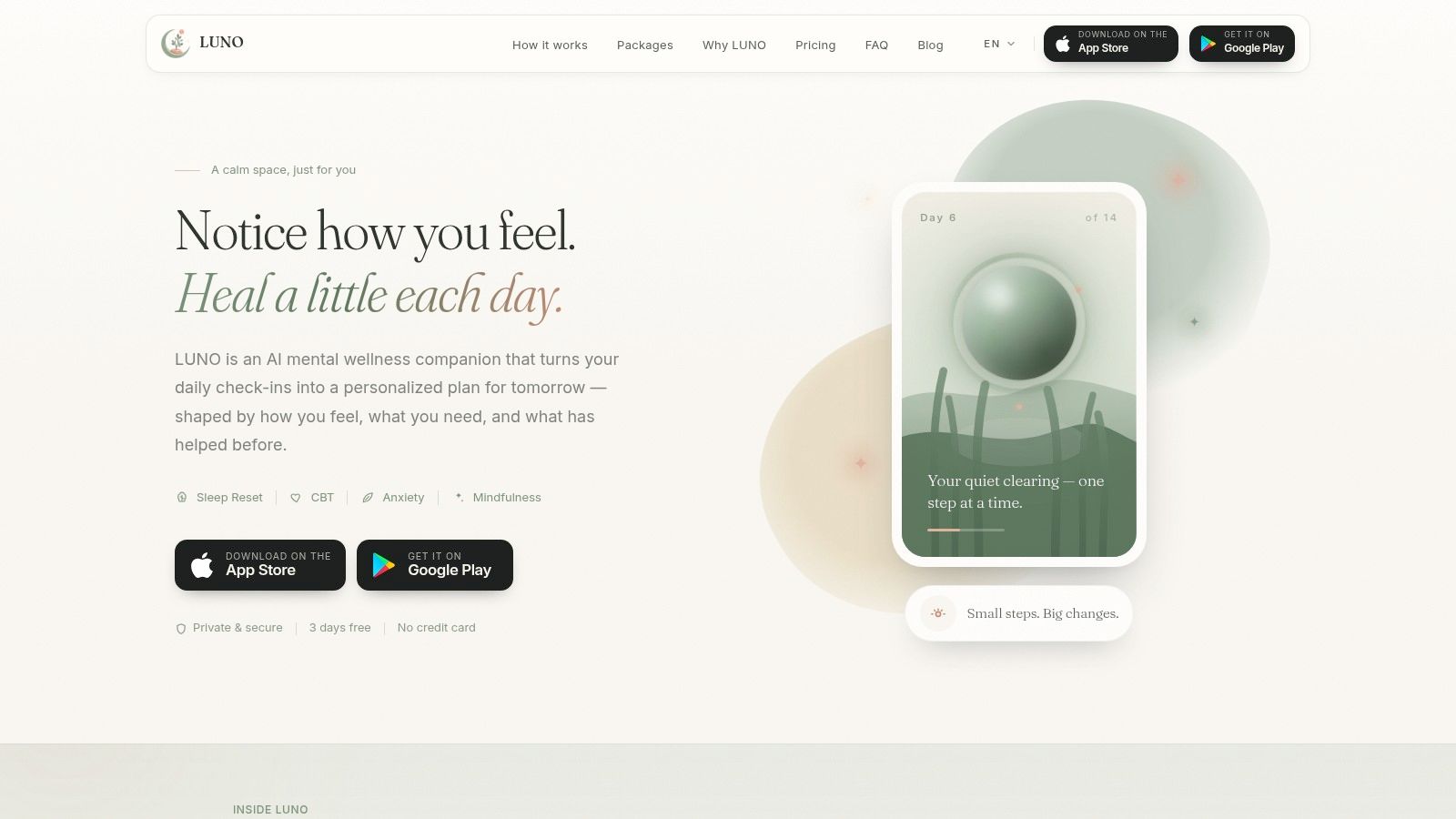
Luno: Self Care fits that need through daily check-ins and reflections that generate personalized next-day plans. The structure can feel therapy-like while staying self-guided and outside clinical treatment. For people who need daily scaffolding, that kind of continuity helps keep the practice alive between bursts of motivation.
A good test is simple. If a tool helps you return to your routines faster after a setback, it is doing useful work. If it keeps making you start over from zero, it is not helping enough.
Tracking Your Progress and Adjusting Expectations
Progress in this work rarely looks dramatic. One of the clearest signs is that you recover faster after a rough moment. Another is that your inner voice gets less sharp, or that you return to values-based action without as much spiraling.
I think of one client who stopped judging her week by how happy she felt and started tracking whether she could restart after a bad morning. At first, she'd lose the whole day after one anxious thought. Later, she could take a walk, answer one message, and get back to work. Her mood didn't become perfect. Her behavioral recovery improved, and that changed everything.
A realistic weekly review
- Notice recovery time. How long does it take to reset after a mistake?
- Notice rumination. Are you replaying events less often, or with less intensity?
- Notice meaningful action. Did you do at least one thing that matched your values?
- Notice support. Did you reach out, accept help, or strengthen one connection?
The point isn't to chase daily pleasure. It's to build a life where self-criticism loses its grip and your actions start reflecting who you want to be. If you want a place to review common questions, the Luno FAQ can help clarify what the app does and where its limits are.
If you want a structured way to practice self-compassion, keep your habits consistent, and turn reflection into a calmer daily routine, Luno: Self Care gives you guided check-ins, personalized plans, and self-guided support in one place. It's built for people who want practical help finding happiness in themselves without pretending they never struggle. Visit it, try the structure, and see whether a steadier routine changes how you recover after hard days.