
The worldwide average age at first marriage was 24.3 years for men and 21.1 years for women, an average difference of about three years, during 1970–1999. So age difference love isn't an unusual form of human bonding, but the number alone can't tell you whether a relationship is healthy, durable, or worth pursuing.
The better question is more demanding: What does the age gap create between you? Does it bring different expectations about children, work, money, health, and retirement? Does one partner's experience strengthen the partnership, or silence the other person? And when relatives, friends, or strangers judge you, do you protect each other, or turn against each other under pressure?
Redefining Age-Gap Relationships
There is no single correct answer to whether age-gap relationships work. Some couples with a substantial difference build an equal, affectionate partnership. Others with only a modest difference struggle because one partner controls the money, dismisses disagreement, or expects the other to follow an established life plan.
Population patterns provide context, not a verdict. A comparative analysis of 130 countries found that men were older than their female partners on average in every country studied, but the typical gap varied from approximately 8.6 years in Sub-Saharan Africa to 2.2 years in North America. The same analysis reported an average gap of about 2.8 years in Europe, 3.5 years in Latin America, 5.6 years in South Asia, and 6.5 years in the Middle East and North Africa. You can review the regional comparison in this analysis of global age-gap relationship statistics.

Replace the number with better questions
Treat your relationship as a shared emotional environment, not a statistical exception. A supportive partnership can become a mental wellness practice because it gives both people a place to be honest, regulate conflict, recover from setbacks, and grow without surrendering their identity.
Ask yourself:
- Can you disagree safely? You should be able to challenge your partner without punishment, ridicule, withdrawal, or threats.
- Do you want the same future? Attraction can't resolve incompatible plans for children, location, work, or caregiving.
- Does experience create equality or hierarchy? Wisdom becomes harmful when one person uses age to win every argument.
- Do both partners keep developing? Love should expand each person's life, not narrow it around the older partner's habits and social world.
Historical evidence reinforces this flexible view. A cross-national analysis of 34 countries found that the mean spousal age difference declined by about 2.0 years across cohorts, with 31 of the 34 countries recording a decrease. The change reflects shifting education, employment, autonomy, and marriage timing, not a universal rule about romantic compatibility. The underlying cohort findings are available in this cross-national analysis of changing spousal age differences.
If you want structured prompts for reflection, the Luno FAQ can help you understand how guided self-care tools approach personal emotional patterns. Use that kind of reflection to clarify your relationship, not to outsource decisions about it.
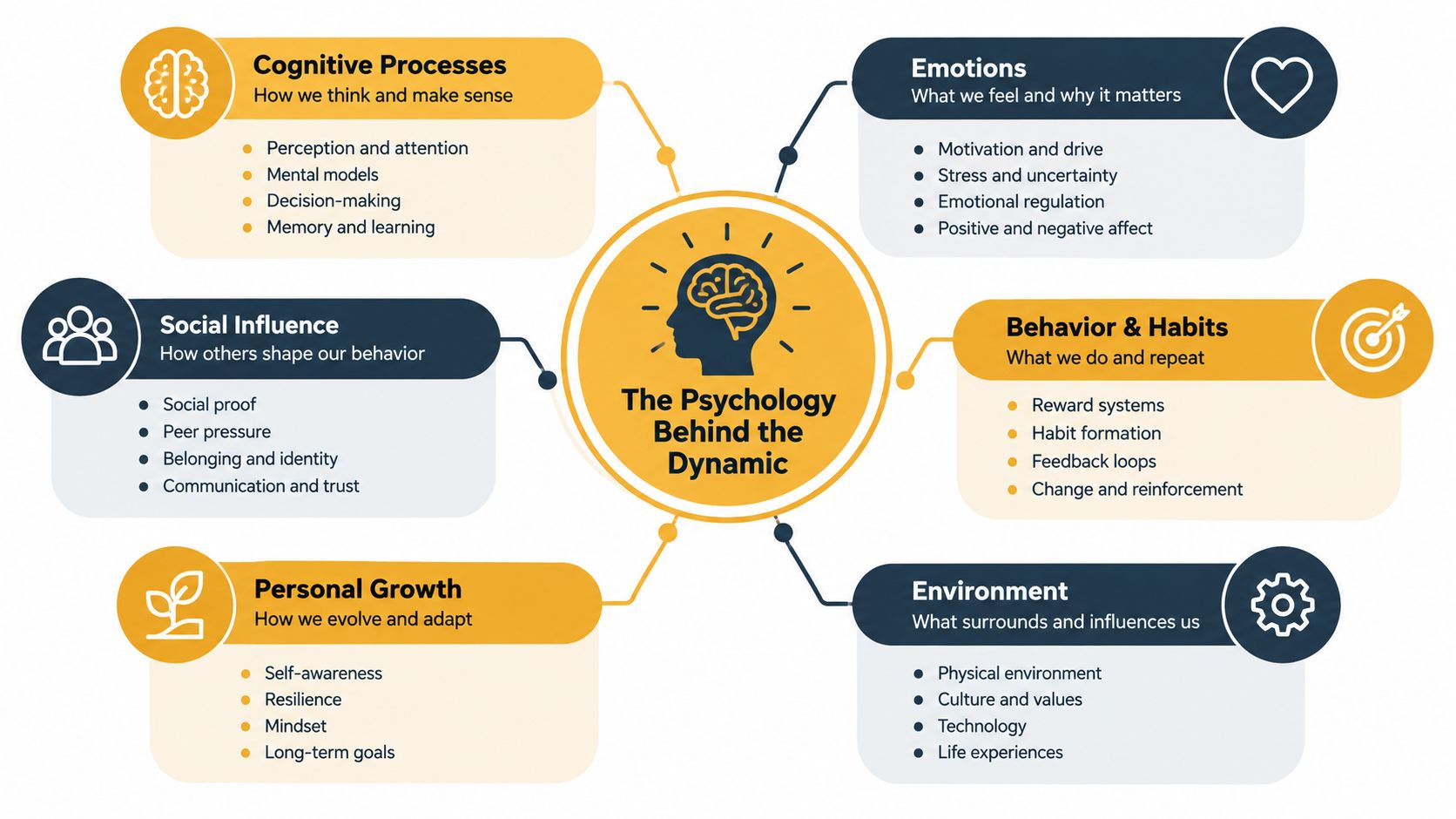
The Psychology Behind the Dynamic
Chronological age matters because it often travels with experience, money, health, social confidence, and expectations about the future. It doesn't determine maturity. A younger partner may be more emotionally self-aware than an older one, while an older partner may bring steadiness without becoming controlling.
The direction of the age difference also matters. An older-man and younger-woman relationship often receives more cultural acceptance because it fits a familiar gender script. An older-woman and younger-man relationship can attract sharper scrutiny, leaving the woman to defend her desirability and the man to prove his independence. That double standard can create stress even when the couple themselves feels secure. Research summarized by The Conversation's discussion of age differences in relationships emphasizes the importance of social judgment, support, and openly managing stigma.
Direction is more informative than distance
Don't assess an age gap as a single number. First identify who is older, then examine what that direction changes in daily life. Retirement may arrive earlier for one partner. Fertility expectations may feel more urgent for another. Health needs, caregiving, and social energy can shift at different speeds.
A longitudinal analysis found that having an older spouse was associated with a greater likelihood that the younger partner initiated divorce, while a large age difference alone didn't uniformly increase divorce risk. The strongest reported directional result involved wives more than three years older, where husbands had 87% higher odds of initiating divorce, with no statistically significant corresponding reduction in wives' initiation. These findings support a practical approach, described in this longitudinal analysis of age direction and divorce initiation, assess mechanisms rather than treating age as a standalone diagnosis.
Watch for authority disguised as maturity
A healthy older partner doesn't need to win by saying, “I know better.” A healthy younger partner doesn't need to perform gratitude for being chosen. Both people should retain influence over money, friendships, sex, housing, and major decisions.
Practical rule: Experience should improve the quality of the conversation, not end the conversation.
Pay attention to the emotional pattern during conflict. If one partner pursues reassurance and the other uses age, money, or past experience to shut the discussion down, the problem isn't merely a difference in birth years. It's a power pattern that needs to be named and changed.
Navigating Power and Life-Stage Mismatch
Age difference love becomes difficult when partners assume alignment instead of checking it. Don't wait for a pregnancy, illness, job loss, retirement decision, or family emergency to discover that your timelines are incompatible.
Start with a private audit. Each partner should write answers before comparing them. This reduces the chance that the more confident or experienced person will shape the other's response.
- Map the next chapters. Discuss children, housing, work, location, retirement, caregiving, and the kind of daily life you want. “Someday” isn't a plan. Identify what each person expects and which preferences are negotiable.
- Trace the money. List who earns, owns, saves, borrows, and decides. Financial equality doesn't require identical incomes, but both partners need access to information and a realistic ability to leave if the relationship becomes unsafe.
- Test decision-making. Review a recent disagreement. Who proposed the solution? Who compromised? Could the younger partner have rejected the older partner's preference without losing housing, immigration security, social access, or financial support?
- Protect separate lives. Keep friendships, skills, interests, and sources of confidence that don't depend on the relationship. The older partner should actively support the younger partner's independence, even when that independence changes the couple's routine.
- Schedule future reviews. Revisit the plan when work, health, fertility, or family responsibilities change. A conversation held once at the beginning won't protect a partnership through every life stage.
A relationship can feel emotionally equal while remaining materially unequal. That distinction matters. One partner may be loving and well-intentioned while still holding the power to decide where the couple lives, whether the other can work, or how family resources are used.
Use Luno's safety information as a reminder to keep self-reflection grounded in personal autonomy and safety. If you feel afraid to disagree, trapped by dependence, isolated from support, or monitored by your partner, treat that as a serious warning. Couples work cannot replace individual safety planning.
Managing External Stigma and Social Pressure
Social judgment becomes dangerous when couples handle it in opposite ways. One partner says, “Ignore everyone,” while the other absorbs every comment alone. That mismatch creates a second injury inside the relationship. The outside criticism hurts, then the unsupported partner feels abandoned at home.
Build a united response without forcing identical feelings. You might agree that strangers don't deserve an explanation, relatives get one calm boundary, and trusted friends can ask respectful questions. The older woman in an age-gap relationship may face particular scrutiny, but either partner can carry the burden of defending the relationship. Don't make the person already receiving the harshest judgment manage it alone.
Separate concern from prejudice
Not every criticism is malicious. A friend may notice financial dependence, isolation, or controlling behavior that the couple has normalized. Listen for specific observations. “I don't like the age gap” is a judgment. “You aren't allowed to see your friends unless your partner approves” is information worth examining.
Try this three-part response:
- Name the comment: “You're questioning our relationship because of our ages.”
- Set the limit: “We won't discuss our private decisions through insults or assumptions.”
- Stay open to evidence: “If you're concerned about control, isolation, or safety, give us a specific example.”
Protect privacy without creating secrecy. A couple needs trusted people outside the relationship, especially when one partner has more money, influence, or social experience. Isolation can feel like loyalty at first, but it removes the outside perspective that helps both people notice unhealthy dependence.
“We can reject unfair judgment without rejecting every concern.”
The Luno privacy guidance offers a useful standard for personal reflection tools: emotional support should respect the user's control over sensitive information. Apply the same principle to your partnership. Share what you choose, with whom you choose, and don't let family pressure force public disclosures that neither partner wants.
Supporting Individual Mental Wellness
A balanced relationship requires two whole people, not one person acting as a caregiver, parent, rescuer, or permanent emotional regulator for the other. Age differences can intensify anxiety about abandonment, aging, attractiveness, health, and future loss. Each partner needs a way to process those fears without making the relationship responsible for every feeling.
Begin with a daily emotional check-in. Name the feeling, the trigger, the story you're telling yourself, and the action you're considering. For example, “I feel replaceable because my partner has more relationship experience. I want to accuse them of losing interest. I'll ask for reassurance directly instead.” This practice turns a reflex into a choice.
Build a private routine
Use separate routines alongside shared relationship habits:
- Regulate before discussing: Walk, breathe, journal, or pause until you can speak without trying to punish or frighten your partner.
- Keep an identity outside romance: Maintain friendships, work, hobbies, and personal goals that don't exist only to support the relationship.
- Track recurring triggers: Notice whether conflict follows comments from family, financial dependence, sexual insecurity, or fear about future caregiving.
- Ask for support precisely: Replace “You never understand me” with “I need you to listen for ten minutes without solving this.”
Luno is an AI mental wellness companion delivered as a mobile application. It converts daily user check-ins into personalized next-day plans grounded in evidence-based therapeutic methods. It's self-guided and is not a substitute for clinical treatment. That makes it suitable for reflection, journaling, and structured self-care, not for diagnosing abuse, replacing a clinician, or managing a crisis.
The tool can help you explore any topic you need, including anxiety, self-esteem, grief, relationship patterns, sleep, burnout, or difficult transitions. Use it to prepare for a conversation, identify a repeated reaction, or create a small next-day practice. Don't use an app to persuade yourself to remain in a relationship that limits your safety or autonomy.
A clinician remains the right choice when distress is persistent, functioning is impaired, trauma needs careful support, or either partner faces danger. You can also review practical account control through Luno's account deletion information, because a wellness tool should leave the user in control of their data and participation.
Real-World Stories of Connection and Growth
Consider Maya and Daniel. She was younger, and Daniel had already built a stable career and a settled social circle. Their first conflict looked ordinary, but the age gap amplified it. Daniel assumed his preferred neighborhood made practical sense, while Maya felt she was being absorbed into a life he had designed before meeting her.
They stopped arguing about the apartment and named the core issue. Maya wanted evidence that her career and friendships carried equal weight. Daniel wanted predictability but recognized that “practical” had become a way to avoid negotiation. They created a shared housing plan, protected separate social time, and reviewed financial decisions together. The relationship improved because Daniel stopped treating experience as a deciding vote.
Now consider Elena and Marcus, where Elena was older. Friends repeatedly framed Marcus as immature and Elena as desperate. Marcus began hiding the relationship from colleagues, while Elena responded by demanding constant reassurance. Their private fear became public secrecy, then public secrecy became private resentment.
They agreed on a boundary with friends, but they also examined the criticism. Marcus did want more independence in his social life, and Elena did fear being left as their circumstances changed. They built separate friendships, discussed future care responsibilities, and replaced accusations with direct requests. The stigma didn't disappear, but it stopped controlling their behavior.
These examples point to a hard truth: love doesn't eliminate the work created by difference. It gives you a reason to do the work. In both relationships, the breakthrough came from identifying the underlying need rather than debating whether the age gap was acceptable.
Building a Lasting and Balanced Bond
A durable age-gap relationship isn't one that never feels awkward, unequal, or uncertain. It's one where both partners notice those moments early and respond with honesty. You need emotional alignment, practical transparency, external boundaries, and individual stability.
Use this compact standard when evaluating your partnership:
| Area | Healthy sign | Warning sign |
|---|---|---|
| Autonomy | Both partners can disagree and maintain outside relationships | One partner needs permission to work, socialize, or make decisions |
| Money | Resources and obligations are visible to both people | Financial support becomes leverage |
| Life stage | Future plans are explicit and revisited | One partner avoids children, retirement, health, or caregiving conversations |
| Conflict | Both people repair after disagreement | Age or experience ends the discussion |
| Social pressure | The couple responds together while accepting specific concerns | One partner faces judgment alone or the couple becomes isolated |
| Wellness | Each person maintains independent emotional support | One partner becomes the other's only source of stability |
Don't use divorce statistics as a prophecy, but don't dismiss them as irrelevant either. Research summarized from U.S. longitudinal survey work reported associations of an 18% higher divorce risk for couples with a five-year age difference and a 39% higher risk for couples with a ten-year difference compared with age-similar couples. Those estimates are associations, not proof that age difference causes divorce, because age-gap couples can differ in social pressure, resources, previous relationships, and marriage timing. The context is outlined in this review of age-gap associations and relationship stability.
A separate analysis reported that when a wife was more than three years older, husbands had 87% higher odds of initiating divorce. Don't turn that result into a rule about older women or younger men. Turn it into a prompt: are gender expectations, insecurity, social judgment, or unequal decision-making affecting this particular couple?
The practical goal is timeline alignment, not numerical perfection. Compare your expectations for children, career, housing, retirement, health, sex, caregiving, inheritance, and social life. Put difficult topics into ordinary conversation before they become emergencies.
You should also recognize when self-guided reflection isn't enough. If either partner feels controlled, threatened, isolated, or unable to leave safely, seek qualified professional or local support. An app can organize reflection, but it can't assess every clinical or safety issue in your life. Review product boundaries and user responsibilities in the Luno terms, and keep the central standard in view: a relationship must protect each partner's dignity, agency, and future.
Age difference love can be tender, exciting, and profoundly meaningful. It can also expose differences that same-age couples may encounter less directly. Don't ask whether your gap is acceptable to strangers. Ask whether your partnership gives both people room to speak, grow, change, and remain free.
Luno: Self Care offers guided daily check-ins, personalized next-day plans, journaling, and relationship-focused self-reflection for the emotional challenges that age difference love can bring. Use it to understand your reactions, prepare for difficult conversations, and build steadier individual routines, then visit Luno: Self Care to explore the app.